
The genre of fantasy is triumphing in books, films, television, and other media. Think of the success of YA books like A Court of Thorns and Roses by Sarah J. Maas or The Folk of the Air series by Holly Black. Romantasy involving faeries is so popular nowadays that Edmund Spenser, who published the epic poem The Faerie Queen in 1590 AD, would be pleased. Or think of the surge of epic fantasy television with House of the Dragon based on books by George R.R. Martin, The Rings of Power set in Middle-earth and inspired by the writings of J.R.R. Tolkien, or The Wheel of Time series adapting Robert Jordan and Brandon Sanderson’s works. These television shows, and the novels they began from, are epic fantasy. There are many, many subgenres of fantasy media, including sword-and-sorcery, urban fantasy, supernatural, contemporary, fantasy horror, and more that are all spectacularly speculative.
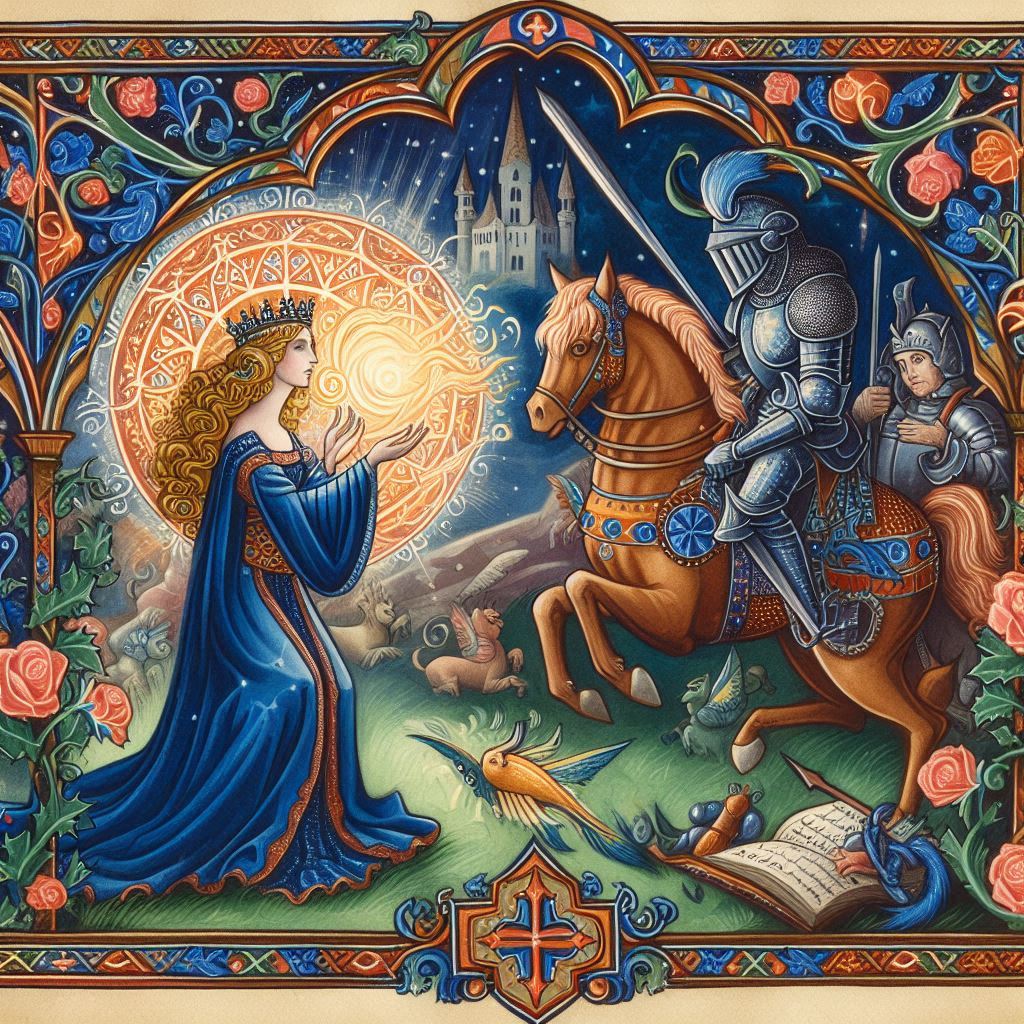
The genre that I will be publishing is historical fantasy. Imagine this genre as a marriage between historical fiction and traditional fantasy. To be a historical fantasy, the story must include elements of a real historical setting, from anywhere and anytime in the history of our world, but generally before “modern” times, for that would cross into contemporary fantasy. Historical fantasies can draw from the Greek-Roman world and its mythology, the romance of Arthurian Legend, or from all over the world. The genre is by no means limited to European history. Oh, and there must be magic!
Let us take an overview of those settings. The history of Ancient Greece and Rome is rich with material to tell historical fantasy stories. The myths of these respective cultures, which both spanned centuries and truly contain cultures within cultures, are well-known to readers thanks to books by Rick Riordan, Madeline Miller, and other authors. Riordan’s works fall into contemporary and children’s fantasy. Miller’s stories, including The Song of Achilles and Circe, are perfect examples of Greek-Roman historical fantasy. Her novels are tragic and profound, queer and feminist, and definite conversation starters. Arguably, the entirety of Greek and Roman mythology could be seen as historical fantasy, since it is set is the real world and bursts with magic. Christopher Nolan’s next movie is an adaptation of The Odyssey, so that will be one to keep an eye on.
“Whoso pulleth out this sword of this stone and anvil, is rightwise king born of all England.” –Le Morte d’Arthur, Sir Thomas Malory
I have a deep love for Arthurian Legend. One of my favorite television series growing up was Merlin on the BBC. There is no shortage of literature set in the world of King Arthur and the Knights of the Round Table. Classic literature includes Le Morte d’Arthur by Sir Thomas Malory, which features the forbidden love of Lancelot and Guinevere, the tale of Tristan and Iseult, and the death of Arthur by the sword of Mordred, his own bastard son. There is also The Once and Future King by T. H. White, loosely inspired by Malory. White’s four novels tell about the early days of Arthur when he was “Wart” and his education by Merlin, beginning comedic and growing more mature. White’s novels also star Morgan le Fay and Morgause. These enchantresses shine in The Mists of Avalon, by Marion Zimmer Bradley, a feminist retelling of the Arthur myths, from the perspective of Morgaine, Morgause, Guinevere, Igraine, and more.
But what about modern historical fantasy authors? While the genre has roots in mythology and legend, it has come alive under new writers today. My all-time favorite work of historical fantasy is Jonathan Strange & Mr Norrell by Susanna Clarke. The novel, and its incredible BBC television adaptation, is set in 19th century England during the Napoleonic Wars. Magic has been lost to England for centuries, ever since the mysterious Raven King vanished from Northern England, but all of Europe is taken aback when two magicians appear: the dryly academic Gilbert Norrell and the wildly romantic Jonathan Strange. Norrell unleashes a faerie into the world, the Gentleman with the Thistledown Hair, and begins a rivalry with Strange that pushes the boundary between reason and madness. If you have never read Clarke, I cannot recommend her enough.
Other historical fantasy novels that I have heard of, which are on my reading list, include the YA fantasies of Libba Bray: The Diviners is set in 1920s New York City and sees a young woman investigate supernatural murders in the Jazz Age, as well as A Great and Terrible Beauty, about a magical lady at a Victorian English boarding school. Then there is Spellbound Under the Spanish Moss by Connor and Kevin Garrett, which is set in the American South and involves Southern folklore, magic, and intrigue. These novels show that more recent time periods can be fabulous settings for a good historical fantasy. Not everything has to be medieval.
But of course, medieval is my favorite! High on my reading list is the His Fair Assassin series by Robin LaFevers, a YA historical fantasy set in medieval 15th century Brittany. It is about a convent that serves Death himself, blending history with horror and romance. Another medieval series is the Sevenwaters books by Julliet Marillier. Beginning with Daughter of the Forest, this book is about a young woman who is kidnapped, desperate to save her family, and entwined with the magic of the Fair Folk. (Warning: Daughter of the Forest includes scenes of sexual assault.) If you are seeking medieval fantasy, these two lesser-known series deserve to be read. In this blog post, I recommended these fantastic historical fantasies:
- The Faerie Queen by Edmund Spenser
- Le Morte d’Arthur by Sir Thomas Malory
- The Once and Future King by T.H. White
- The Mists of Avalon by Marion Zimmer Bradley
- The Song of Achilles by Madeline Miller
- Circe by Madeline Miller
- Jonathan Strange & Mr Norrell by Susanna Clarke
- The Diviners by Libba Bray
- A Great and Terrible Beauty by Libba Bray
- Spellbound under the Spanish Moss by Connor and Kevin Garrett
- His Fair Assassin series by Robin LaFevers
- Sevenwaters series by Julliet Marillier
Historical fantasy blends real-world history and time periods with spellbinding magical elements. The genre has roots in classic literature from the Greek-Roman world and Arthurian Legend but pulls from all over the world. Faeries are always a popular subject for historical fantasy, and they feature everywhere from classic writings like The Faerie Queen to the modern Jonathan Strange & Mr Norrell. The genre has been given new life thanks to some wonderful recent fantasy writers, and I hope I can do my part to continue the tradition of combining epic history and rich magic together to create a story that my readers will love.
Thank you for reading this blog post! Peace to you, always.

 Farrwood